Back to destinations
Study destination
Study in Germany
11+
Universities
High
Visa
EUR250
Annual Tuition
18 months
Work rights
Overview
Living and studying in Germany
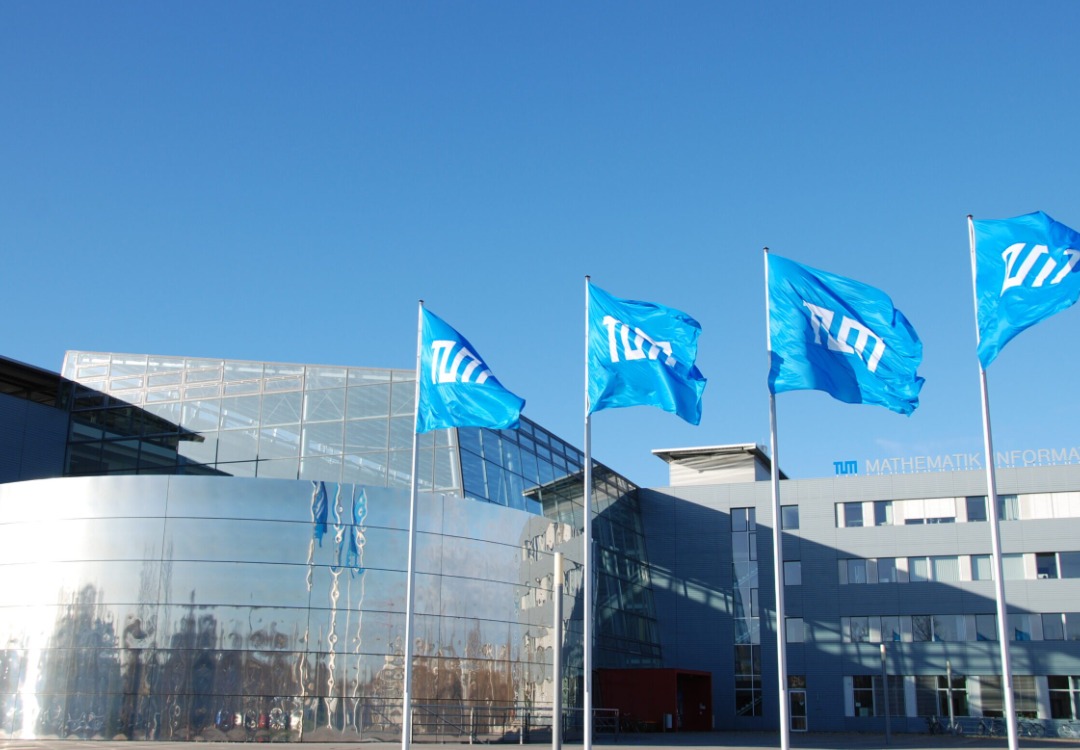
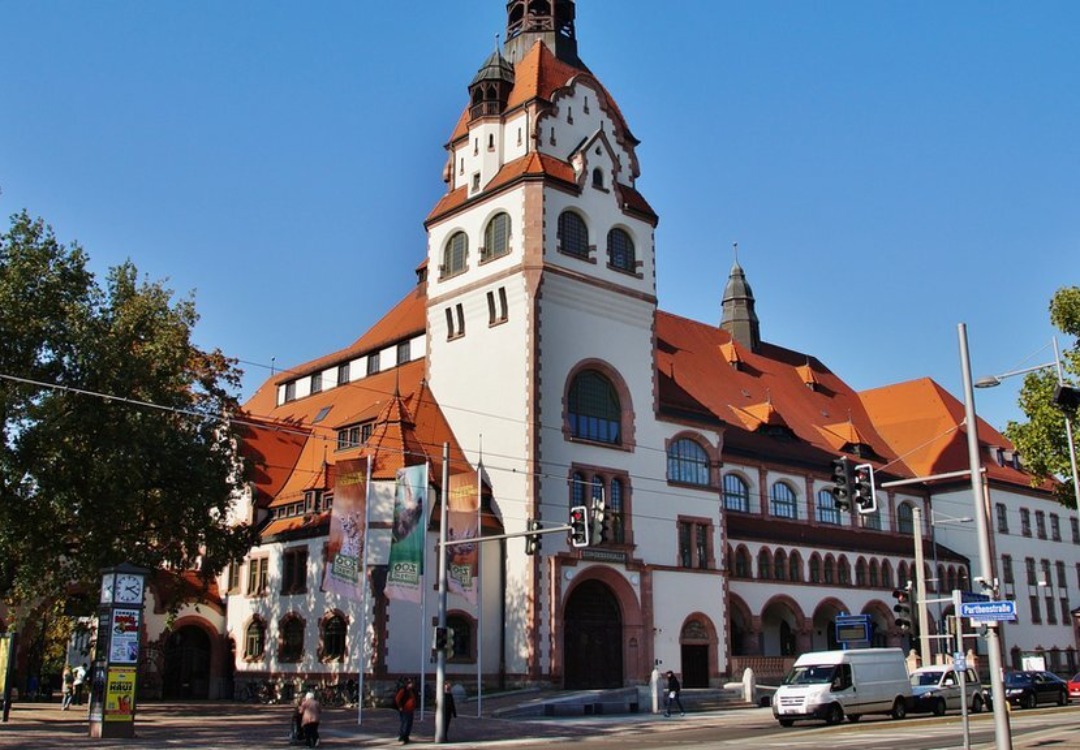
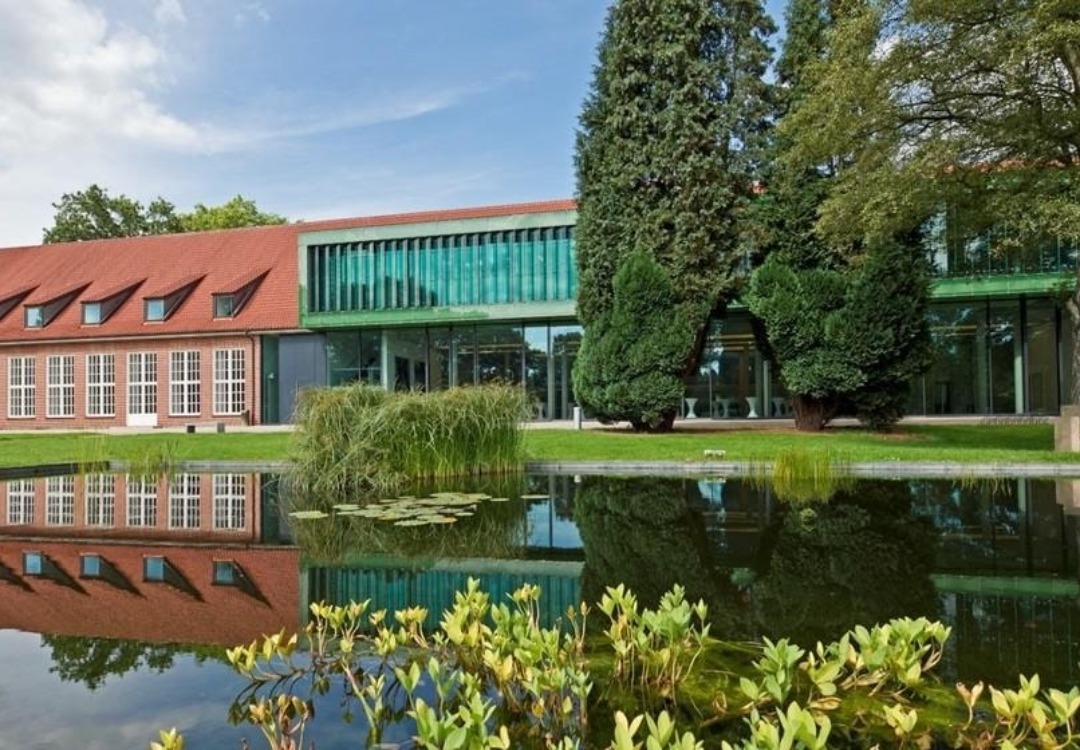
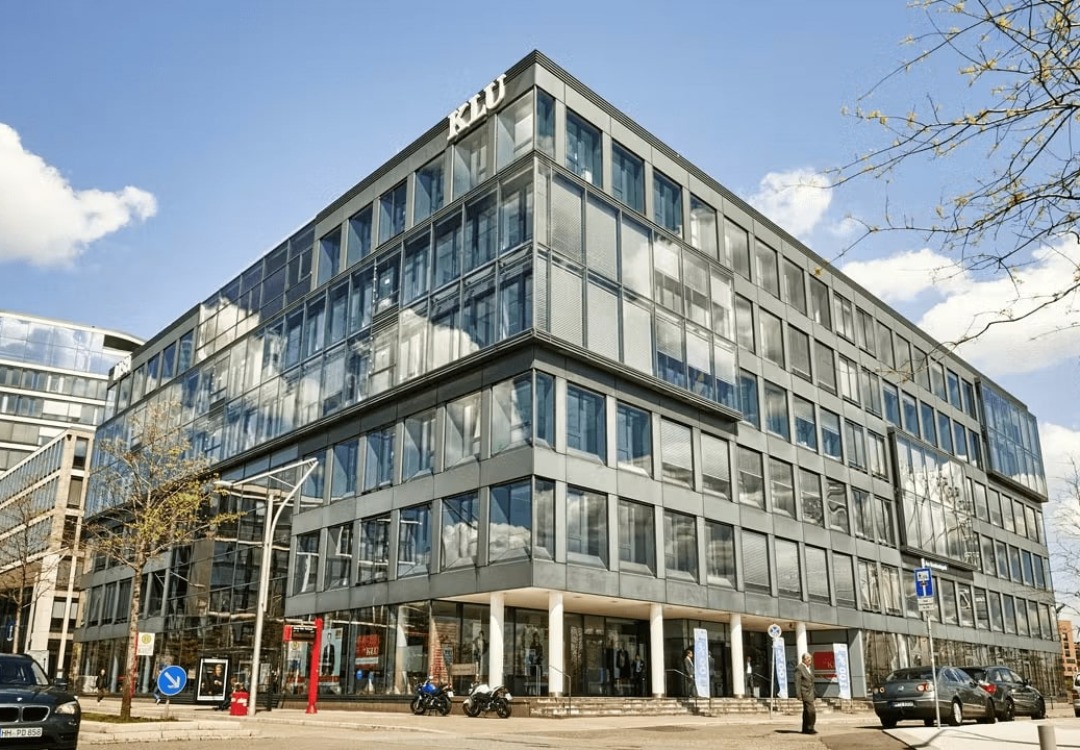
A clear editorial overview of the destination with supporting imagery.
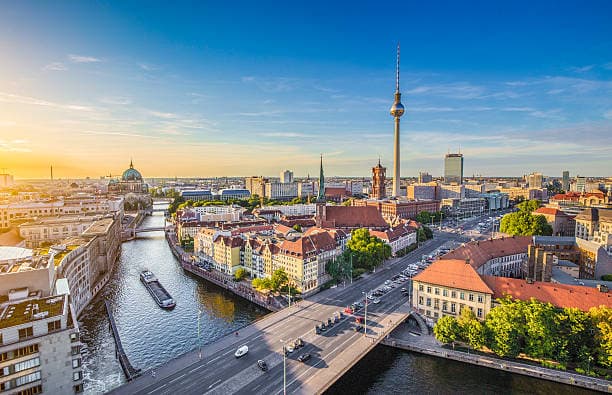
🇩🇪Germany is a member of the European Union and one of the most popular study destinations in the world. It is well known for its high-quality education system, strong economy, cutting-edge research, and internationally recognized degrees. In recent years, Germany has attracted a growing number of international students thanks to low or no tuition fees at public universities, excellent academic standards, and strong career opportunities. Today, Germany hosts over 400 higher education institutions, with more than 450,000 international students, making it one of the top destinations for studying abroad. 🎓 Education system and diplomas Germany’s higher education system follows the Bologna Process, fully aligned with European academic standards: 🎓 Bachelor’s degree — 3–4 years 🎓 Master’s degree — 1.5–2 years 🎓 PhD (Doctoral studies) — 3–4 years Degrees awarded by German universities are officially recognized worldwide, including in: European Union countries United Kingdom United States Canada Australia and many other countries 📚 English-taught programmes Germany offers a wide range of English-taught programmes, especially at the Master’s level, including: Business & Management Economics & Finance IT, Computer Science, Data Science Engineering (Mechanical, Electrical, Civil, Automotive) Artificial Intelligence & Robotics Natural Sciences International Relations 👉 Most English-taught programmes require IELTS 6.0–6.5 (or equivalent). 💰 Tuition fees and living costs 🎓 Tuition fees (per year): Public universities: usually free of charge (only semester contribution of 250–350 EUR) Private universities: 5,000 – 15,000 EUR Specialized or MBA programmes: up to 20,000 EUR 🏠 Living costs (average per month): Rent: 300 – 600 EUR Food + transport: 250 – 350 EUR 👉 Germany offers excellent value for money, especially through tuition-free public education. 💼 Work opportunities International students in Germany are allowed to: ✅ work up to 20 hours per week during studies ✅ work full-time during semester breaks Common student jobs include: cafes and restaurants logistics and warehouses supermarkets and factories research assistant positions IT and office jobs 👉 Average student salary: 10 – 15 EUR/hour 🛂 Student visa and immigration A German student visa provides: legal residence in Germany free travel across the Schengen Area permission to work during studies an 18-month post-study job search visa after graduation Studying in Germany is one of the strongest and most realistic pathways to long-term residence and employment in the EU. 🌆 Popular student cities Berlin — capital city, startup and innovation hub Munich — strong economy, top-ranked universities Hamburg — logistics and business center Frankfurt — finance and banking hub Cologne — vibrant student life and culture ✅ Why choose Germany? ✔️ World-recognized diploma ✔️ Low or no tuition fees ✔️ Wide range of English-taught programmes ✔️ High-paying part-time jobs ✔️ Strong economy and career prospects ✔️ Excellent post-study immigration options